
Human & Psychology
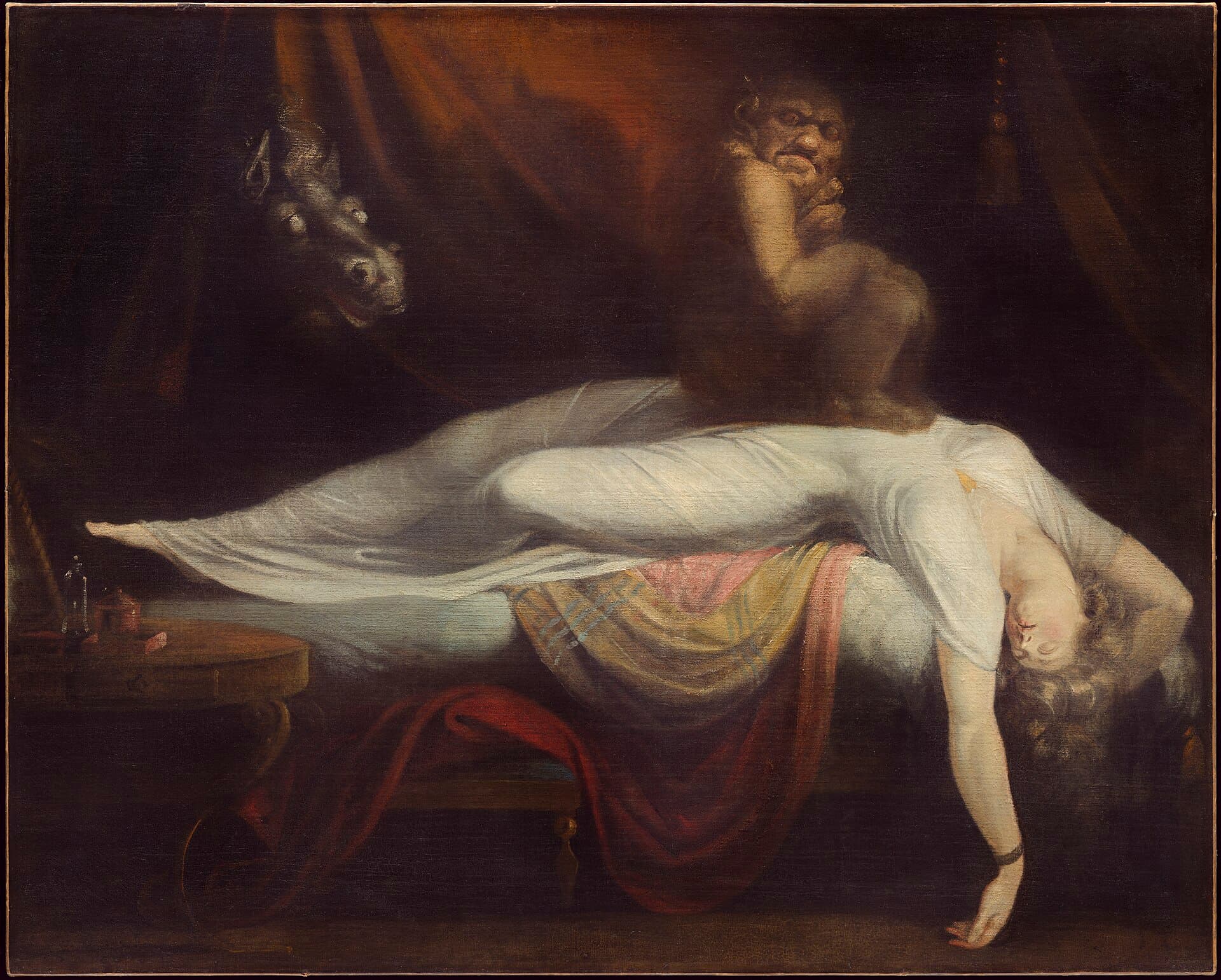
Why Do We Dream?
Dreams remain one of the most fascinating mysteries of the human mind. Discover what science knows about why we dream and what happens in our brain while we sleep.
6 min read
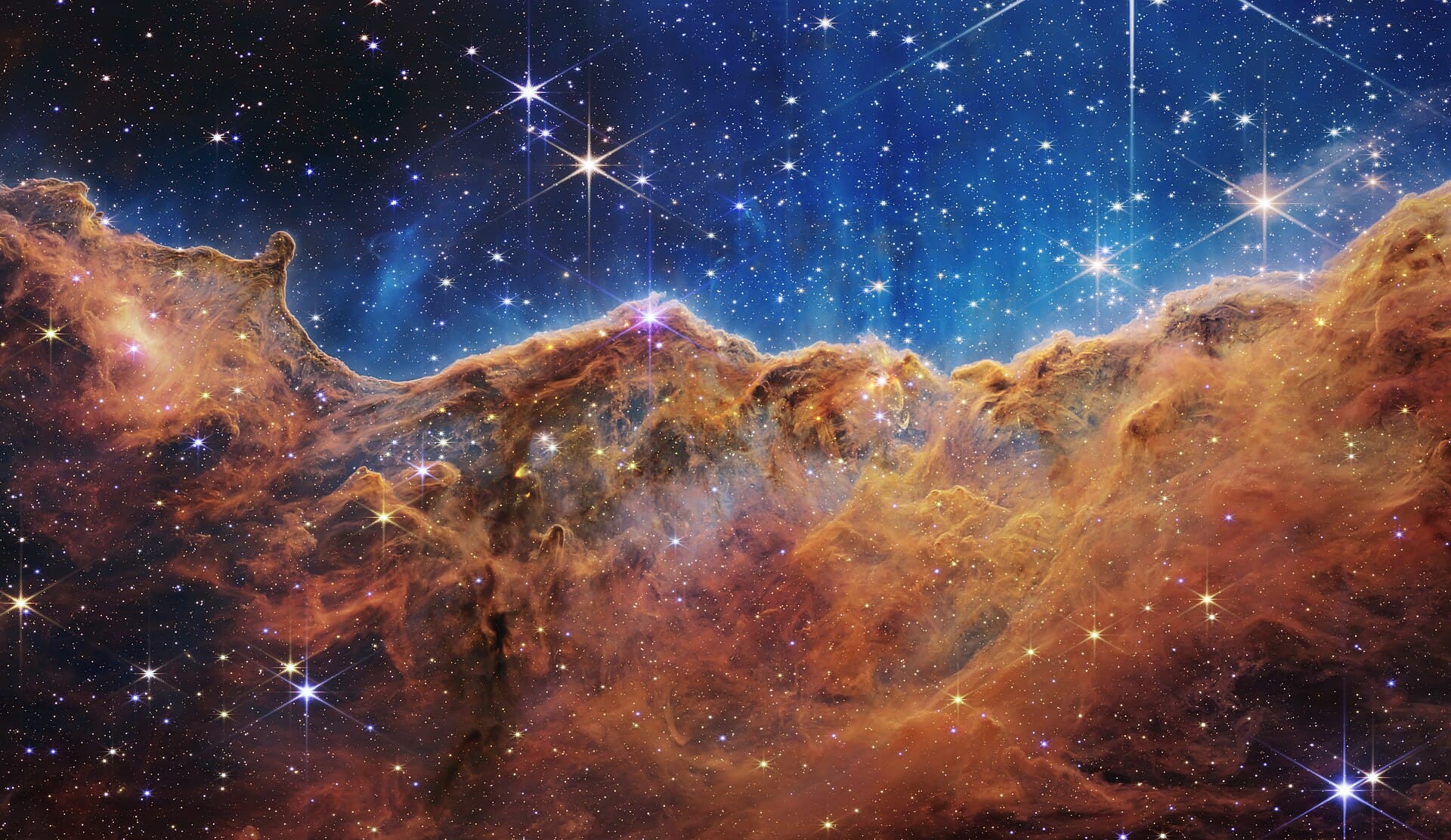
From invisible matter to distant galaxies, explore the discoveries that continue to challenge our understanding of the universe.
Discover something fascinating in every corner of knowledge.
The stories readers are exploring this week.
Dreams remain one of the most fascinating mysteries of the human mind. Discover what science knows about why we dream and what happens in our brain while we sleep.
6 min read
Not cosmic vacuum cleaners, but regions where gravity wins completely. Here is what really happens at the event horizon — and how we finally managed to see one.
8 min read
Language models can describe feelings convincingly. Whether anything is felt is a much harder question — and philosophers disagree on how to even test it.
7 min read
The Indus Valley cities had drains, grid streets and standard bricks. Then, around 1900 BCE, they slowly emptied.
5 min read
Short, sourced and surprising — the kind of thing you will repeat at dinner.
A day on Venus is longer than its year.
Venus spins once every 243 Earth days but orbits the Sun in just 225.
Octopuses have three hearts.
Two pump blood through the gills; the third pauses while they swim.
Your brain runs on about 20 watts.
Roughly the power of a dim light bulb — for 86 billion neurons.
Short quizzes that turn what you've read into what you know.
From planets to pulsars — test how well you know the neighbourhood and beyond.
Which planet has the shortest day?
12 questions~5 min
Biases, memory and the strange shortcuts your mind takes every day.
What is the “spotlight effect”?
10 questions~4 min
Identify cities, scripts and wonders from five thousand years of history.
Which civilization built Mohenjo-daro?
15 questions~7 min
Some ideas click faster side by side, or laid out across time.
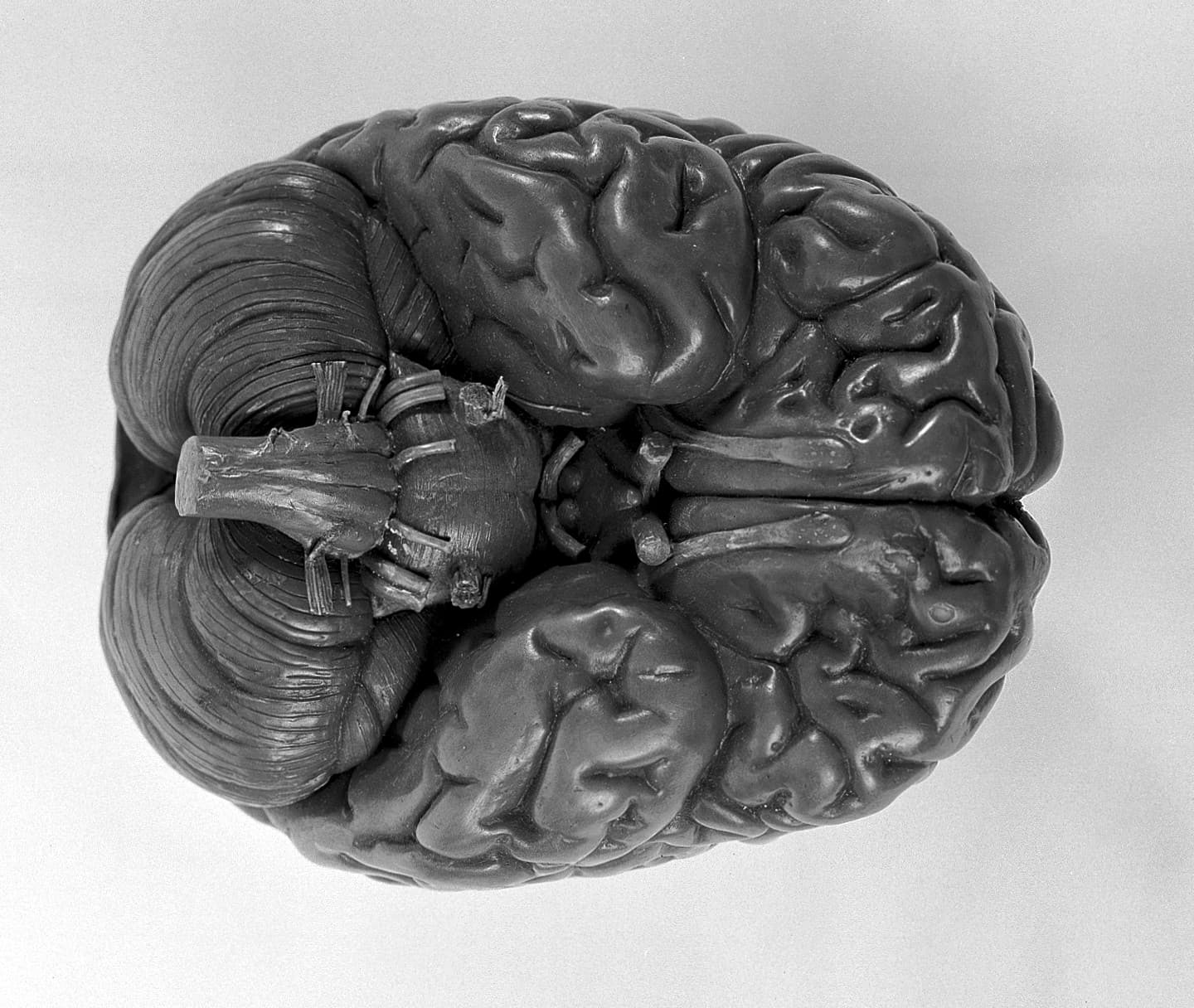
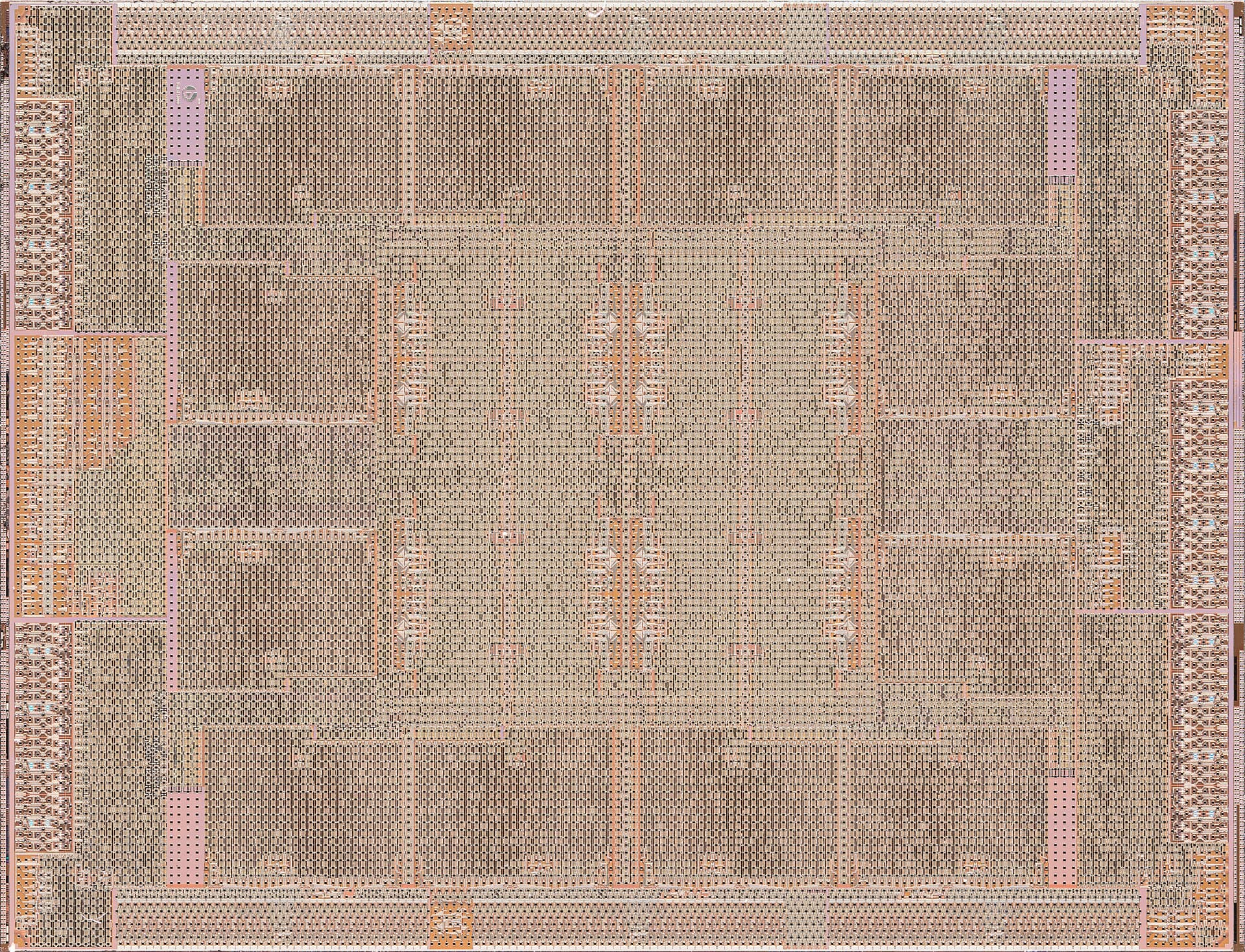
Two very different ways of thinking, side by side.
| Aspect | Human Brain | Artificial Intelligence |
|---|---|---|
| Power use | About 20 watts | Megawatts to train large models |
| Building blocks | ~86 billion neurons | Billions to trillions of parameters |
| Learning | From a handful of examples | From vast amounts of data |
| Strength | Flexible, general understanding | Speed, scale and recall |
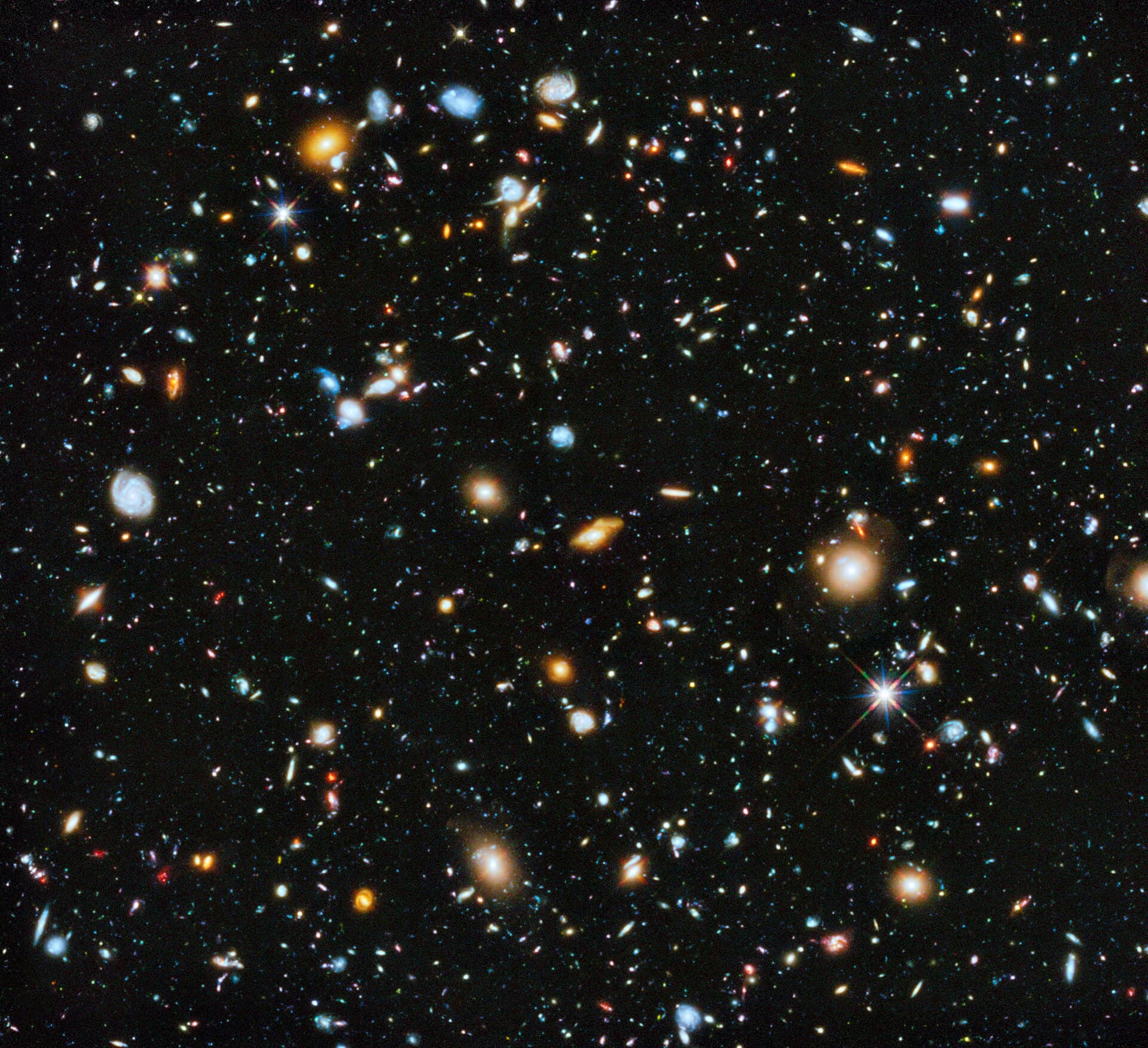
13.8 billion years in five moments.
The Big Bang
Space, time and energy begin expanding from an extremely hot, dense state.
First light
Atoms form and light travels freely — today we see it as the cosmic microwave background.
The first stars
Gravity gathers hydrogen into the first stars, ending the cosmic dark ages.
Our Sun is born
A collapsing cloud of gas forms the Sun and, soon after, the Earth.
Still expanding
Dark energy is pushing galaxies apart faster and faster.
Discover something you didn't know you wanted to learn.
10 unexpected discoveries are waiting. Press the button to reveal one.
Get fascinating discoveries and interesting knowledge delivered to your inbox.

